
£4 Minimum Deposit Casinos in the UK: What to Know
 Available in GB
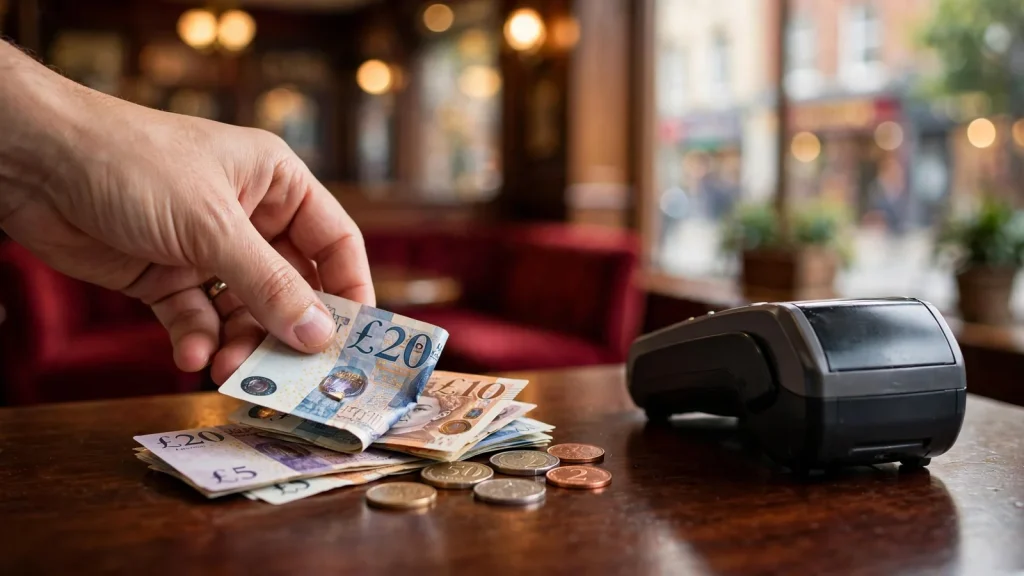
A £4 threshold is a cashier setting, not a market-wide standard, and the amount accepted can vary between operators.
Table of Contents
- What a £4 Minimum Actually Means
- How to Read Claims About £4 Casinos
- A Small Deposit, and the Rules Around It
- Real-Money Play on a Small Balance
- Bonuses, Qualifying Deposits and the 2026 Cap
- Slots on a Low Balance
- Cards, E-Wallets and Paysafecard at the Cashier
- What Changed for Casino Bonuses in 2026
- Mobile Billing and the Lowest Deposit Tier
What a £4 Minimum Actually Means
A £4 minimum deposit sits between two different ideas: the exceptional offer to let an account begin with very little, and the higher entry points found at many casinos. It is a useful price marker, not a promise that every cashier will accept a deposit of exactly £4. A casino may set its minimum below that amount or above it; the figure in the headline describes a threshold to look for, not a standard shared across the industry.
The distinction matters because “minimum deposit” can sound like a fixed feature of the whole market. It is not. Each operator sets a cashier minimum, and the amount can shape who can open an account with a small balance. A £4 threshold is therefore neither the absolute floor nor a universal bargain. It names one point on a scale.
At the lower end, some UK casinos accept deposits from £1. That is a real but unusual threshold, not evidence that £1 is the ordinary starting point. A specialist review reported six UK Gambling Commission-licensed casinos with genuine £1 cashier minimums, and identified NetBet as the only casino on its list at that level. Such a count belongs to the review’s snapshot, not to a permanent census of the market. The useful lesson is the rarity of the floor, rather than the precise size of the list.
A low minimum deposit can help you start with a smaller amount, but it is worth checking the practical details too. These verdicts note the payout information available for each casino.
1. Jetsetspins
Payout speed: 1-3 business days Jetsetspins lists a payout speed of 1–3 business days.
2. NightWin
Payout speed: 1-3 business days NightWin lists a payout speed of 1–3 business days.
3. Amunbet
Payout speed: 1-3 business days Amunbet lists a payout speed of 1–3 business days.
4. NightLuck
Payout speed: 1-3 business days NightLuck lists a payout speed of 1–3 business days.
5. Chanze
Payout speed: 1-3 business days Chanze lists a payout speed of 1–3 business days.
6. Zombillion
Payout speed: 1-3 business days Zombillion lists a payout speed of 1–3 business days.
7. BeOnBet
Payout speed: 1-3 business days BeOnBet lists a payout speed of 1–3 business days.
8. SpinFormula
Payout speed: 1-3 business days SpinFormula lists a payout speed of 1–3 business days.
9. Dieselwin
Payout speed: 1-3 business days Dieselwin lists a payout speed of 1–3 business days.
10. x3bet
Payout speed: 1-3 business days x3bet lists a payout speed of 1–3 business days.
Higher entry points are more familiar. Against those, £4 can look modest: enough to clear a low threshold where one exists, but not necessarily enough to satisfy every cashier. The amount also cannot be inferred from a casino’s general description or a promotional banner. Those may describe an offer, a welcome message or a broader account feature, while the relevant figure is the minimum the cashier actually permits. The vocabulary is blunt; the detail is in the terms.
This is why a search for a £4 minimum deposit casino in the UK should be understood as a search for a particular kind of entry point, rather than a guarantee of an exact transaction option. A cashier set at £1 may accept £4, since the deposit is above its floor. A cashier set higher may reject it. And an operator may not offer a £4 minimum at all, even if the amount seems like a natural middle ground between the rare £1 threshold and the more substantial tiers elsewhere.
There is a small linguistic trap here. “£4 minimum” may mean that £4 is the least permitted amount, but it can also be used loosely to describe a casino where a player can deposit £4 or less. Those are not equivalent claims. If £4 is the exact minimum, a smaller deposit is unavailable. If £4 is merely an amount the cashier accepts, the actual floor may be lower. The distinction changes the meaning of the label without changing the sum.
£2 Minimum Deposit Casinos in the UK: How They Work · Casinos that accept Siru Mobile in the UK
The figure also describes entry, not value. A low cashier minimum says how little may be placed into an account at the outset; it does not, by itself, say what that balance can do or what conditions accompany an offer. Those are separate questions. The number is a doorway, not a verdict on what lies beyond it.
The £4 point has a cultural logic as well as a mathematical one. Gambling businesses have long used minimums to divide casual participation from larger commitments: a small figure lowers the visible barrier, while a higher one makes the first transaction more consequential. The lowest tier attracts attention precisely because it is uncommon. The middle ground is less theatrical. It asks for more than the token entry point, but stops short of turning the first deposit into a larger financial decision.
That makes £4 a practical reference point, not a market-wide category. Some UK casinos begin lower; many set their cashier floor higher. There is no implication that the industry has settled on £4, or that every casino advertising a low minimum will treat the amount in the same way. The label only becomes precise when attached to the actual cashier minimum.
So the phrase “£4 minimum deposit” should be read narrowly: it concerns the least amount accepted for an initial deposit, where that is indeed the operator’s stated floor. The rare £1 option shows how low the market can go; higher thresholds show why £4 may still count as a small entry. Neither fact makes the amount universal. A number can be a useful guide and still require a careful definition.
A £4 minimum deposit is a reference point for entry; it is not a universal industry standard and may be rejected by cashiers with higher floors.
How to Read Claims About £4 Casinos
A claim about a £4 minimum deposit is useful only if it describes what the cashier actually accepts. The figure may refer to the operator’s general cashier minimum, or to a particular deposit route; those are not always interchangeable. Nor does a low threshold mean that every payment option at a casino will accept the same amount.
At a given UK operator, the minimum deposit is generally shared across payment methods. Some casinos, however, set a higher threshold for direct banking than for cards or e-wallets. So a headline stating that a casino accepts a small deposit should be read as a starting point, not as a promise that every route to the cashier will do so. The cashier’s displayed terms are the detail that matters.
There is a difference between a casino that accepts deposits below a stated threshold and one that accepts exactly £4. A minimum is a floor, not a special denomination. A platform with a lower minimum may accept a deposit of £4, while a platform with a higher minimum may not. The phrase “£4 minimum deposit” can therefore be used loosely in promotional descriptions. Precision is less common than confidence.
“Best” and “legit” are different claims
“Best” is a judgement, not a cashier setting. A comparison may call a site the best £4 minimum deposit casino because it combines a low threshold with features that the comparison considers valuable. That label does not establish that the cashier accepts £4 through every method, or that the offer suits every player. The underlying details are more revealing than the adjective.
£3 Minimum Deposit Casinos in the UK · Casinos That Accept iDEAL in the UK: Payment Guide
“Legit” is a more serious matter. In Great Britain, remote gambling operators serving customers must hold the relevant licence from the UK Gambling Commission. Online casino gambling is legal for adults aged 18 and over when it takes place with a licensed operator. A low deposit claim does not establish that a casino is licensed, and a polished cashier does not do so either. The operator’s current regulatory status is a separate question from the amount it accepts.
This distinction also clarifies what “safe” or “trusted” can reasonably mean. A low entry amount is not evidence of trustworthiness. For a UK-facing casino, the relevant licensing framework is part of the answer; the deposit figure is not. A site operating outside that framework does not become a UK-licensed casino by making its cashier accessible or its claims familiar.
New sites and old promises
A “new” casino is not automatically more generous or more reliable. Newness describes when a service has appeared, not what the cashier will accept or which rules govern its operation. The same checks apply whether a site is newly launched or long established: the stated minimum must match the cashier, and a UK-facing operator must hold the required UK Gambling Commission licence.
The distinction matters because a low-deposit claim can travel further than its conditions. A general page may describe a minimum, while the cashier sets a different threshold for a particular route. Terms may also define which deposits count for a promotion. Those are separate questions: a deposit being accepted does not, by itself, mean that it qualifies for an offer. The offer’s own wording determines that point.
Do
- Verify the operator holds a UK Gambling Commission licence
- Check the specific cashier terms for each payment route
- Confirm the qualifying deposit amount for bonuses
Don’t
- Assume a low deposit threshold proves a site is legit
- Rely on promotional banners for exact cashier minimums
- Mistake a deposit threshold for a game’s minimum stake
For slots, the phrase “minimum deposit” concerns the amount needed to put funds into an account, not the smallest stake a game permits. A casino may accept a modest deposit while its games and other conditions remain governed by their own rules. Treating those separate thresholds as one can make a small-entry claim sound broader than it is.
A careful comparison therefore separates three things: what the cashier accepts, what the promotion’s terms require, and whether the operator is licensed to serve the British market. None can stand in for the others. A low cashier minimum is a fact about access to the account; it is not a verdict on the whole service.
The plain reading is best. A claim about a £4 minimum should mean that the cashier accepts that amount under the stated conditions. It should not be taken as proof that every payment method shares the threshold, that an offer will apply, or that the operator has the necessary licence. A small number can be exact. The surrounding claim may not be.
A Small Deposit, and the Rules Around It
A £4 minimum deposit describes the amount that can enter an account; it says nothing about the account’s safeguards. In a UK online casino, the account is not merely a pocket into which money is placed. It is also the point at which identity, age and decisions about spending are brought together. That distinction matters at a low deposit level, where the smallness of the first transaction can make the surrounding process seem almost excessive. It is not.
No Minimum Deposit Casino UK: Payment Rules · Casinos that accept Monzo in the UK: payment routes
The legal threshold is clear: UK players must be at least 18 years old. Operators must verify a customer’s age before allowing a deposit into a gambling account. Age verification is therefore not a polite formality to be completed at leisure after play has begun. It is a condition of opening the door to real-money gambling. A site that accepts money first and postpones the check would reverse the order that the rules require.
That order says something about the way online gambling is governed. The account is treated as a relationship between a customer and a licensed operator, not as an anonymous transaction. For a casino serving the British market, a current UK Gambling Commission operating licence is part of that framework. The account is where the operator must apply its obligations, and where a player’s access to gambling is organised. The interface may make the process look like a sequence of screens; underneath, the sequence is regulatory.
Age checks can interrupt the smoothness of registration. That interruption is deliberate. A low cashier minimum does not lower the age threshold, and the small value of an initial deposit does not turn it into a lesser form of gambling. The same account rules apply whether the first balance is modest or substantial. There is no special category of “nearly harmless” account created by the size of its opening transaction.
A second safeguard belongs before the first deposit: new customers must be prompted to set a financial limit. The placement is significant. A prompt after money has been deposited would arrive after the point at which the account first became capable of spending it. Before the deposit, the limit is a decision made while the account is still being prepared, rather than a correction attempted once gambling is under way.
In the UK, the regulatory sequence requires age verification and a prompt to set financial limits before a deposit is permitted.
The limit is an account-level control, not a feature of a particular game or a payment route. That makes it distinct from the cashier minimum. The cashier minimum describes the smallest permitted deposit; a financial limit concerns the boundary a customer sets around gambling activity. They answer different questions. One governs entry of funds, the other provides a means of setting a personal constraint.
Account-level controls also need to remain accessible. A safeguard hidden in an obscure corner of a website is a safeguard in name more than in use. The requirement for accessible limit controls recognises that people do not make decisions only at registration. An account is a continuing arrangement, and its controls must be available within that arrangement rather than disappearing once the welcome screens have passed.
This is particularly relevant to accounts opened around a small minimum deposit. A low starting amount can create the impression that the account itself is low-stakes, as if the initial transaction sets a permanent scale for what follows. It does not. The deposit threshold is a technical condition of the cashier, while the account’s safeguards govern the wider relationship. Confusing those two ideas lets the small number do too much persuasive work.
The prompt to set a limit should not be mistaken for a prediction about how much someone will spend, nor does the mere presence of a control establish that every account holder will use it in the same way. Its purpose is more modest and more practical: to put a boundary-setting choice in front of the customer before the first deposit, and to keep relevant controls accessible at account level. The rule is procedural, but its subject is human judgement.
Casinos That Accept Instadebit in the UK
There is a quiet contrast here. Digital accounts are designed to make money movement feel immediate; regulation inserts pauses where immediacy might otherwise become the whole design. First comes the age check. Then comes the prompt to choose a financial limit. Only after those safeguards is a deposit permitted. The sequence resists the idea that convenience is the only measure of a well-designed account.
A £4 minimum deposit can be a useful description of an entry point, but it cannot stand in for a description of the account around it. The account has its own conditions before money arrives and controls that remain relevant afterwards. Small amount, full rules.
Real-Money Play on a Small Balance
A £4 deposit is a starting balance, not a measure of how long a session will last or what it will return. Once it is in a real-money account, each stake draws on the same small pool. A few losses can reduce it quickly; a win can extend play, but it does not turn the original deposit into a predictable outcome. The figure on the cashier receipt is certain. What happens to it at the game table is not.
That distinction matters when comparing a £4 minimum deposit casino in the UK with a larger-budget way of playing. A low entry point makes a real-money session accessible without requiring a substantial initial outlay. It does not make each game cheaper, guarantee a particular number of turns or ensure that a balance will remain available for withdrawal. The deposit is the amount placed at risk, not a promise of entertainment measured in minutes.
Balance vs. Session Length
Since some slots accept stakes of £0.10 to £0.20 per spin, a £4 balance provides a limited pool of bets. The actual duration of play depends on the sequence of wins and losses, not a fixed guarantee.
Some slots accept stakes between £0.10 and £0.20 per spin. At those values, £4 corresponds arithmetically to a limited pool of bets before accounting for wins, losses or any change in stake. A run of losing spins shrinks that pool; wins may replenish it, but there is no fixed sequence. The arithmetic can describe exposure, not forecast the session. A small balance makes every stake visible.
The same principle applies beyond slots: the pace at which a balance changes depends on the game and the amount staked. A £4 minimum deposit online casino may therefore suit someone who wants to keep the amount committed small, but the low threshold says nothing about how quickly the balance might be used. Nor does a mobile casino alter that relationship. The screen may be smaller; the money remains the same money.
There is also a practical gap between depositing and cashing out. A balance can exist in an account without meeting the operator’s minimum withdrawal threshold. A specialist review reports thresholds of £10 to £20 at many UK casinos; that is a reported range, not a fixed rule for every operator. Where the threshold exceeds the balance, the money cannot simply be withdrawn as a smaller sum under that condition. Further play may raise the balance, but it may also reduce it. Neither outcome is assured.
This is why “real money” describes the nature of the balance, not its immediate convertibility into cash. The account can show funds while the withdrawal option remains out of reach. Whether a balance can be paid out also depends on the operator’s stated withdrawal conditions, rather than on the fact that the initial deposit was accepted. Depositing and withdrawing are different stages, with different thresholds.
Casino Payments and Payouts in the UK
A £4 balance can be enough to begin playing, especially where the available stakes are low. But the small deposit is not a miniature version of a larger bankroll with the same staying power. It is a strict limit on what was initially put in, while the eventual balance remains uncertain. That is the useful scale: modest entry, variable play, and a possible distance between the amount deposited and the amount eligible to leave the account.
Bonuses, Qualifying Deposits and the 2026 Cap
A cashier minimum and a promotion’s qualifying deposit answer different questions. The first is the amount an account can accept; the second is the amount a particular offer requires before it becomes available. A casino may therefore accept a £4 payment without treating it as enough to unlock its welcome promotion. The small deposit reaches the account. The offer has its own gate.
A specialist review reports welcome offers with qualifying deposits between £5 and £10, and notes that some promotions set a £10 threshold even where the cashier accepts £5. It also describes some operators excluding their lowest deposit bracket from welcome deals. These are reported conditions, not a rule applying to every casino: the promotion’s own terms determine whether a £4 deposit counts. The headline minimum cannot settle the question.
Qualifying Deposits
Attention: A casino may accept a £4 deposit, but its welcome promotions may require a higher qualifying amount, such as £5 or £10.
That distinction matters when an offer is described as available to new customers. “Available” may still depend on a minimum qualifying amount, a particular payment route, or opting in before depositing. Those details belong to the promotion, not to the cashier’s minimum. A deposit can be valid real-money funding yet fail to qualify for the bonus. The balance and the bargain are separate things.
A no-deposit bonus is different again: by definition, it does not require a qualifying deposit to be credited. A £4 minimum deposit does not turn a deposit-based offer into a no-deposit one, nor does the phrase promise that a no-deposit promotion is available. The offer’s terms say what triggers it and which customers can claim it. Such offers should not be inferred from the amount shown beside the deposit button.
Once a promotion is triggered, its wagering conditions govern the bonus funds, not whether the initial payment met the entry threshold. Before the UK Gambling Commission’s rule took effect on 19 January 2026, reviews commonly described wagering requirements of 30x to 65x the bonus value. Since that date, UK gambling incentives cannot require more than 10x wagering of bonus funds. The new ceiling changes the arithmetic, but it does not erase other terms: eligible games, any cap on withdrawals, and the steps needed to claim still matter.
A low deposit can make the distinction especially visible. If an offer requires more than the amount deposited, adding a bonus does not repair the shortfall unless the terms allow it. Conversely, meeting the qualifying amount does not mean the bonus is immediately unrestricted cash. Wagering is a condition attached to promotional funds; the deposit threshold is an entry condition. Confusing them makes a small offer look simpler than it is.
Casinos That Accept MiFinity in the UK: What to Check
The same discipline applies to claims about casinos outside GamStop. A search phrase linking a £4 deposit to “not on GamStop” does not establish that a promotion is lawful or suitable for the British market. Real-money casinos serving British customers must hold the relevant UK Gambling Commission licence; offshore status is not a substitute. The useful comparison is therefore between the cashier minimum and the written terms of an offer at a licensed site, not between a low figure and a promise.
A promotion is a contract with small print. In 2026, the cap narrows one part of that contract; it does not make every small deposit eligible, or every eligible bonus worthwhile.
Slots on a Low Balance
A £4 balance can make a slot session feel less like a stretch of leisure and more like a series of small decisions. The stake chosen for each spin determines how quickly that balance changes; a game’s title or graphics cannot make the arithmetic gentler. Many slots accept bets of 10p to 20p per spin, so low-value play is possible, though the available stake settings vary from game to game.
That distinction matters. A casino may accept a £4 deposit while a particular slot offers no stake small enough to suit that balance. The cashier minimum describes what can be paid in; it does not promise that every game will fit the resulting sum. Even where a low stake is available, successive losses reduce the balance, and a win can change it without making the session predictable. Small stakes alter the scale of each decision, not the uncertainty.
UK regulations for online slots include a minimum spin time of two and a half seconds and a total ban on the autoplay feature.
There is also a practical difference between choosing a modest stake and making the balance last. A lower bet reduces the amount exposed on each spin, but it does not secure a particular number of spins or a minimum playing time. A run of outcomes can use a balance quickly; a different run can leave more of it intact. The interface can make those outcomes look like a smooth sequence. The account ledger is less theatrical.
British rules shape that sequence too. An online slot spin must take at least two and a half seconds. The rule sets a minimum pace, rather than a promise about how long a session will continue: a balance can still fall through repeated bets, and the time between spins depends on the player and the game. The pause is built into the experience, whether or not the screen tries to make each result feel immediate.
Autoplay is banned for online slots in Britain. Spins therefore cannot be set to repeat unattended, and a player has to initiate each one. That removes one way of letting a sequence continue without a fresh action, but it does not make the game safe from quick losses. A button press remains a bet. The distinction is modest, but real.
A low-balance slot session is therefore shaped by three things: the stake options a game actually offers, the balance left after each result, and the pace imposed by regulation. A £4 deposit does not turn every slot into a low-stake game, nor does a small bet guarantee a long session. It simply sets a narrow starting point from which each spin matters more visibly. The machine keeps its own counsel.
Online casinos accepting SMS deposits and their limits
Cards, E-Wallets and Paysafecard at the Cashier
For a small deposit, a debit card is the plainest route. Visa and Mastercard are accepted at almost every UK casino and can support low cashier minimums. The important distinction is between debit and credit: since the UK’s credit-card gambling ban took effect in 2020, casino deposits must come from a debit card, an eligible e-wallet funded by debit, or a bank account. A credit card is not an alternative, even if it sits behind a wallet.
PayPal belongs to the e-wallet category, but its presence at a cashier is not automatic. Where it is offered, the wallet must not be used to route credit-card funds into gambling. That rule makes the funding source part of the payment method, not a private detail beyond the casino’s concern. An e-wallet can separate casino transactions from a bank statement, but it does not remove the restrictions governing where its money came from.
Direct banking is another compliant route, using a bank account rather than a card or wallet. Its availability and the cashier minimum depend on the operator; the method itself does not turn a low deposit into a different kind of transaction. Payment choices are less free-form than their logos suggest.
Paysafecard works differently because it is bought in set denominations: £5, £10, £25, £50 or £100. That means a voucher cannot be purchased for precisely £4. Still, one voucher can be used to fund several smaller deposits, so its face value need not be spent in one visit. The cashier must accept Paysafecard, and the voucher balance must cover the deposit being made. A fixed amount at purchase; smaller steps at the cashier.
Debit Cards
Visa and Mastercard are widely accepted and naturally support low cashier minimums.
E-Wallets
PayPal and other wallets must be funded by debit cards to comply with UK rules.
Paysafecard
Bought in set denominations (e.g., £5, £10), but can be used for several smaller deposits.
Direct Banking
Bank account transfers are a compliant route, with minimums set by the operator.
These routes are not interchangeable in every account. A casino may display several methods, while the minimum and available options can depend on its own cashier settings. For a £4 deposit, a debit card or an eligible e-wallet may fit the amount more naturally than a Paysafecard voucher, whose smallest listed denomination is higher. No payment method can make a casino accept a deposit below its stated cashier minimum.
What Changed for Casino Bonuses in 2026
Since 19 January 2026, the UK Gambling Commission has capped wagering requirements on bonus funds at 10x. That change gives a new £4 minimum-deposit offer a different regulatory context from an older promotion: any wagering condition attached to bonus funds cannot demand more than the cap allows.
The distinction matters because a small deposit and a bonus are separate parts of an offer. A casino may describe a promotion as available alongside a low minimum deposit, but the deposit figure alone says nothing about the wagering attached to bonus funds. The cap addresses that wagering condition; it does not turn the deposit into bonus money or establish that every promotion is available at the lowest cashier amount.
For a £4 minimum deposit casino, the useful comparison is therefore not simply whether a bonus appears beside the deposit amount. The wording must make clear what funds are subject to wagering and how the condition is expressed. The 2026 limit sets an outer boundary for bonus wagering, not a promise that every low-deposit offer will be equally useful or even open to every deposit level.
There is also a difference between the law’s ceiling and the offer’s appeal. A condition can fall within the cap and still shape how readily bonus funds can be withdrawn. The cap narrows one part of the bargain; it does not erase the rest of the terms or make a headline offer self-explanatory.
£5 Minimum Deposit Casinos in the UK: What It Means
That is the important change for new £4 minimum-deposit casinos in 2026: wagering language now has a firm regulatory limit, and comparisons can be made against it. The number is a boundary, not a recommendation. A smaller deposit remains a small deposit, and the bonus remains conditional. No magic trick.
Mobile Billing and the Lowest Deposit Tier
Phone-billed casino deposits occupy a narrow corner of the UK market. A specialist review describes the £1 tier as rare and links it to particular services, including Boku and Payforit. That is a different proposition from a £4 cashier minimum: a casino accepting a small deposit through one route does not thereby offer the same threshold through every route.
“Pay by SMS” can also suggest a simpler process than the cashier actually provides. Phone billing may be listed as a payment option, but its presence does not establish that a £4 deposit is available, or that a particular operator accepts the method for gambling deposits. The cashier’s displayed terms determine what can be used on that account.
Casinos That Accept MuchBetter in the UK: What to Check
There is a practical distinction between paying from a phone and paying through a mobile network bill. The latter is the relevant category here; merely using a handset to access a casino does not make a debit-card or e-wallet payment mobile billing. Boku and Payforit are names associated with this limited deposit tier, not evidence that either service is offered by every UK casino.
The method’s place is therefore specific rather than universal. A low threshold may be tied to a particular payment route, while a £4 minimum deposit casino may instead support cards or other cashier options. Neither label should be treated as a promise that an SMS payment will work at that amount. The cashier is decisive.
This distinction matters in a market where remote gambling is regulated and operators must follow the UK’s rules for customer payments. A phone-billed option should be treated as available only where the licensed operator presents it as an accepted deposit method; the existence of mobile billing elsewhere is not enough. A small threshold is a feature of a stated route, not a general property of the account.
How should players choose a low-deposit casino in the UK?
Check the cashier’s minimum for the payment method you plan to use, since bank transfers can have a higher threshold than cards or e-wallets. Also check whether that deposit qualifies for a welcome offer and whether withdrawal minimums or payment fees affect small balances.
Which UK casinos accept a £1 deposit?
NetBet is identified as a UKGC-listed casino with a genuine £1 cashier minimum. The £1 tier is rare and may be restricted to particular payment methods.
Can I use a £1 deposit to claim all welcome bonuses?
No. Welcome offers typically require a £5 to £10 deposit, and some bonuses exclude the lowest deposit tier.
Why are there so few 1 pound deposit casinos?
The £1 minimum is an uncommon entry point, often limited to particular payment methods such as mobile billing. Some casinos also exclude the lowest deposit tier from welcome promotions.
Can players claim a bonus with a small deposit?
Yes, if the deposit meets the bonus’s qualifying minimum. Welcome offers typically require £5 to £10, and some promotions require at least £10 even where the cashier accepts £5.
Which payment method is best for low-deposit casino players?
Debit cards are a practical option: Visa and Mastercard are widely accepted and support low minimum deposits. Some e-wallets also support £1 transactions.
What is the current minimum deposit?
The lowest UK casino deposit tier is £1, but it is rare and may be limited to specific payment methods. For direct banking, the typical minimum is £10, with some operators setting it at £5 or £20.
Payments

£1 Minimum Deposit Casinos in the UK: What to Know
A £1 deposit can open an account, but separate cashier rules may affect withdrawals, payments...

£10 Minimum Deposit Casinos in the UK: How It Works
The cashier’s minimum is a payment threshold, not an account-opening fee or a promise about...

£2 Minimum Deposit Casinos in the UK: How They Work
A £2 cashier threshold covers funding an account, while play, promotions and withdrawals may follow...

£20 Minimum Deposit Casinos in the UK: How They Work
A £20 minimum is an operator-set condition for funding an account, separate from the stakes...

£3 Minimum Deposit Casinos in the UK
The cashier minimum is only one part of the cost: payment routes, bonus terms and...

£5 Minimum Deposit Casinos in the UK: What It Means
A practical look at cashier limits, payment options, bonus conditions and the checks that come...

Anonymous Crypto Casino UK: Limits and Risks
An initial no-KYC sign-up does not guarantee lasting anonymity, straightforward withdrawals or the protections of...

Instant Withdrawal Casinos in the UK: How Payouts Work
Withdrawal speed depends on more than a casino’s instant-payment label, including the payment route and...

BNB Casino Comparison UK: Licensing and Payments
UK-licensed operators cannot accept cryptocurrency, so BNB casino comparisons must distinguish the British regulatory position...

Bitcoin Cash casino comparison in the UK: licences
Bitcoin Cash is a payment method, not a licence, so casino comparisons need to distinguish...

Cardano ADA Casino Comparison: UK Licence Checks
A practical distinction between crypto payment options, operator authorisation in Great Britain, and claims about...

Casino Not on GamStop: Instant Withdrawals Explained
Withdrawal speed depends on more than the game: cashier processing, checks and payment methods all...

Credit cards at UK casino sites: what’s allowed
UK-licensed casinos cannot take credit-card payments for gambling, even when a payment route or card-brand...

Casino Sites That Accept Debit Cards in the UK
Debit-card acceptance, account currency, deposit limits and payout timing can vary, so the payment route...

Casino Sites That Accept EcoPayz in the UK
The guide explains how the EcoPayz-to-Payz rebrand relates to deposits, withdrawals and changing cashier options....

Jeton Casino Sites in the UK: Availability and Payments
Jeton is a payment route, not a slot catalogue; availability, withdrawals and casino terms depend...

Casino Sites That Accept Skrill in the UK
Skrill availability depends on the operator, and a UK Gambling Commission licence does not mean...

Casinos That Accept Apple Pay in the UK: The Evidence
Boku’s phone-bill service and Apple Pay are distinct, so evidence for one cannot establish deposits...

Casinos That Accept AstroPay in the UK: Slots & Terms
AstroPay access, promotion rules and withdrawal handling are separate checks, so a payment option alone...

Bank Cheques at UK Casinos: What the Search Means
Boku uses a mobile-network charge, not a bank cheque, so the payment routes should not...

Casinos That Accept Bank Transfer in the UK
Bank transfers use bank accounts, while Boku charges deposits to a mobile bill and requires...

Casinos That Accept Bitcoin in the UK: What’s Verified
Broad cryptocurrency payment claims do not confirm Bitcoin Cash support or establish which currencies appear...

Casinos That Accept Boku in the UK
Boku remains a limited deposit option at UK-licensed casinos, with mobile limits, network compatibility and...

Casinos That Accept CashtoCode in the UK
CashtoCode availability can vary by account, while deposit options, withdrawal routes and payment costs each...

Citadel at UK Casinos: Check Payment Availability
Citadel availability, bonus eligibility and withdrawal timing are separate questions, each governed by the casino’s...

Casinos That Accept Click2Pay in the UK: What to Check
A payment label is not proof of support for every casino or slot, and the...

Casinos that accept ClickandBuy in the UK
Payment options can change, and a method available for deposits may not be available for...

UK Casinos That Accept Debit Cards
See how card deposits connect to casino balances, what to check in the cashier, and...

Casinos That Accept Diners Club in the UK
A listed card route does not guarantee a deposit will qualify for a promotion, and...

Casinos That Accept Dogecoin in the UK: Payment Guide
A casino’s games, deposit options and withdrawal rules are separate details, so Dogecoin support needs...

Casinos that accept e-checks in the UK: what to check
An e-check claim is not confirmation; availability depends on what the casino cashier lists for...

Casinos That Accept E-Cheques in the UK
E-cheques are not interchangeable with bank transfers, and cashier options can vary by account and...

Entropay at UK casinos: how to check payment options
Entropay’s place in casino payments depends on the cashier, while deposits, costs and withdrawal rules...

Casinos That Accept Ethereum in the UK: Payment Guide
Ethereum may appear alongside cards, bank transfers and e-wallets, but cashier menus and payment conditions...

UK Casinos That Accept E-Wallets: Payment Guide
Learn how cashier availability, deposit thresholds, withdrawal rules, fees and account ownership can affect e-wallet...

Casinos that accept Giropay in the UK: payment guide
Giropay availability is a cashier question; game access, bonus terms and withdrawal routes are separate...

Casinos That Accept Google Pay in the UK
Availability depends on the account’s live cashier, while card eligibility, withdrawal routes and bonus terms...

Casinos That Accept iDEAL in the UK: Payment Guide
iDEAL is a payment brand, not a casino type; availability, account rules and gambling regulation...

Casinos That Accept Instadebit in the UK
Availability can vary by account, so the cashier—not an old payment listing—confirms whether Instadebit can...

Casinos That Accept Interac in the UK: What to Check
Interac availability, eligible bonus deposits, slot play and withdrawals are separate details, each requiring its...

Casinos That Accept Klarna in the UK: What to Check
A listed payment method is not a guarantee: availability depends on what appears in the...

Casinos That Accept Litecoin in the UK
A general cryptocurrency listing does not confirm Litecoin availability or show how deposits and withdrawals...

Casinos That Accept Maestro in the UK: What to Check
Card-brand support, deposit approval and withdrawal availability are separate questions, and the cashier may show...

Casinos That Accept Mastercard in the UK: What to Check
Mastercard availability varies by casino, and deposit access does not establish withdrawal eligibility or the...

Casinos That Accept MiFinity in the UK: What to Check
MiFinity availability, promotion conditions, withdrawals and verification are separate checks when assessing a casino payment...

Casinos that accept Monzo in the UK: payment routes
Pay-by-phone availability, bonus rules and withdrawal limits are separate questions when assessing a casino payment...

Casinos That Accept MuchBetter in the UK: What to Check
MuchBetter availability, bonus conditions and withdrawal rules are separate checks when funding an online casino...

Casinos That Accept Neosurf in the UK: Payment Guide
Neosurf availability can vary by cashier, promotion and withdrawal route, so payment terms matter as...

Casinos That Accept Neteller in the UK: Payments & Bonuses
Casino acceptance does not guarantee bonus eligibility; cashier details, payment rules and alternatives answer separate...

Casinos That Accept Pay N Play in the UK
Boku handles deposits by phone, but does not itself determine how the casino manages registration,...

Casinos that accept PayPal UK: what to check
A UK licence signals regulatory oversight, while each casino’s cashier and payment terms determine which...

Casinos That Accept POLi in the UK: Payment Guide
POLi is a way to fund an account, not a slot category, and its availability...

Casinos That Accept Revolut in the UK: What to Check
A cashier option does not guarantee bonus eligibility; payment terms also shape deposits, withdrawals, limits...

Casinos That Accept XRP in the UK: Payment Guide
XRP acceptance, bonus terms and slot rules are separate questions, so check each casino’s conditions...

Casinos that accept Siru Mobile in the UK
Siru Mobile availability depends on each casino, and paying through a phone bill works differently...

Casinos That Accept Solana in the UK: What’s Verified
Crypto mentions, wallet connections and general digital-asset support do not confirm that SOL can be...

Casinos That Accept Tether in the UK: Payment Checks
A practical look at cashier availability, token networks, conversion costs, bonuses, withdrawals and the limits...

UKash Casinos in the UK: Payment Options Explained
A UKash search alone does not confirm acceptance; payment availability depends on the operator, account...

Casinos That Accept Upaycard in the UK: What to Check
Upaycard availability, slot bonus eligibility, deposit costs and withdrawal routes are separate details to verify...

Casinos That Accept USDC in the UK: What to Check
USDC support, slot use and promotion eligibility are separate checks, while the deposit route can...

Casinos That Accept Visa in the UK: Deposits
Visa can fund a casino account, but acceptance, bonus terms and withdrawal options depend on...

Casinos that accept WebMoney in the UK: what to know
Boku deposits use a mobile phone account, while WebMoney support must be verified separately; payment...

Casinos That Accept Wire Transfers in the UK
Bank-transfer options vary by cashier, account details and payment route, while approval and arrival can...

Casinos That Accept Wirecard in the UK: Payment Checks
Card acceptance alone does not confirm that a specific Wirecard product is eligible or that...

UK Casinos That Accept Zimpler: Payment Guide
A practical guide to checking cashier availability, bonus terms, limits, currency and how deposits and...

Fast withdrawal casinos in the UK: payout guide
Payout timing depends on more than the casino, including the payment route, checks, limits and...

Instant Bank Transfer Casinos in the UK: A Guide
Bank transfers use different payment routes, and availability and speed depend on the casino cashier...

iPad Casinos UK: Payments, Apps and Games
See how payment options, game access and casino apps work on an iPad, and where...

Mobile Top-Up Casinos in the UK: How Phone Payments Work
The guide explains how phone billing and prepaid credit fund deposits, what to check in...

No Minimum Deposit Casino UK: Payment Rules
A low opening balance does not remove UK payment restrictions or guarantee that bonuses and...

Online casinos accepting SMS deposits and their limits
Pay-by-phone options are narrowing, with small deposit ceilings and no route to withdraw winnings to...

Pay by Mobile Casinos UK: How Deposits Work
A guide to SMS and Payforit deposits, cashier acceptance, phone access and why a phone...

Pay by Phone Bill at UK Casinos: How It Works
Payforit links a casino deposit to a mobile phone service, with charges handled differently on...

Pay by phone casinos in the UK: how deposits work
Payforit charges a mobile account directly: contract deposits are added to a future bill, while...

Payforit Mobile Casinos in the UK: How Payments Work
This guide explains Payforit’s role in mobile casino payments, including deposits, withdrawals, bonuses and the...

Quick Withdrawal Casinos in the UK: How Payouts Work
A clear look at payment routes, approval delays, bonus restrictions and the uncertainty attached to...

Same-Day Payout Casinos in the UK: What to Expect
Payout timing depends on more than the casino, including the payment route, account checks and...

Online casino payouts in the UK: understanding RTP
A practical guide to reading game RTP, separating long-run returns from session outcomes, and assessing...

Casinos That Accept Direct Banking: What to Check
Open Banking links a casino deposit to a bank account, while ownership, costs and processing...

TRON TRX Casino Comparison in the UK
The guide distinguishes crypto payment options from operator licensing and examines what deposits, withdrawals and...

UK Crypto Casinos With No KYC: Rules and Risks
The guide separates Great Britain’s licensing rules from crypto payment mechanics, offshore checks and the...






























































































































































































































































